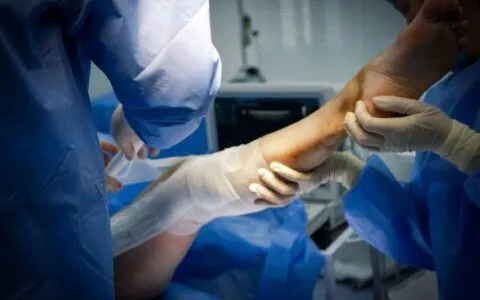
Surgery Isn't Always the Only Option
Surgery isn't always wrong — but it's often not the only option. For many common orthopedic injuries, regenerative treatments can deliver comparable or better outcomes with a fraction of the recovery time, no general anesthesia, and no permanent alteration to your anatomy.
Here are four surgical procedures that patients frequently avoid — or significantly delay — with orthobiologic treatment at Albano Clinic.
1. Rotator Cuff Surgery
The rotator cuff is the group of tendons connecting the shoulder's ball-and-socket joint. Repetitive overhead motion, aging, and acute injury can all cause partial or full tears.
A partial tear caught early is an excellent candidate for PRP or prolotherapy. Treatment can meaningfully reduce pain, support tendon healing, and restore function — often eliminating the need for surgical reattachment and the 12-week-plus recovery that follows.
Clinical Insight
The key is timing. The earlier you're evaluated, the more options you have.
2. Knee Arthroscopy and Replacement
Early-to-moderate osteoarthritis of the knee is one of the most common indications for PRP. Studies have demonstrated significant pain reduction and improved mobility in patients with grades 1–3 osteoarthritis.
Grade 4 bone-on-bone arthritis responds less predictably, though orthobiologics can sometimes still provide meaningful symptom relief and delay replacement.
Cartilage grafting and osteotomy involve significant recovery and variable long-term results. PRP and bone marrow concentrate offer a non-surgical path that preserves joint integrity.
3. ACL Surgery
A complete ACL rupture generally requires surgical reconstruction. But partial ACL tears — which are common and often mismanaged — can frequently be treated with a series of PRP injections combined with structured physical therapy.
Even for complete tears requiring surgical repair, PRP injections at the time of surgery and during recovery have been shown to support faster, more complete healing.
4. Hip Surgery for Avascular Necrosis
Avascular necrosis occurs when bone tissue dies due to loss of blood supply, most commonly in the femoral head of the hip. Without intervention, progressive collapse and severe arthritis can follow.
Autologous stem cells and bone marrow concentrate, injected early in the disease course, have shown meaningful results in slowing or halting AVN progression. Like most regenerative treatments, outcomes are significantly better when intervention happens early — before structural collapse.
When to Consider a Consultation
If you're living with joint pain, a nagging injury, or facing a surgery recommendation you'd like a second opinion on, a consultation is the right first step.