Why Golf Causes Injuries
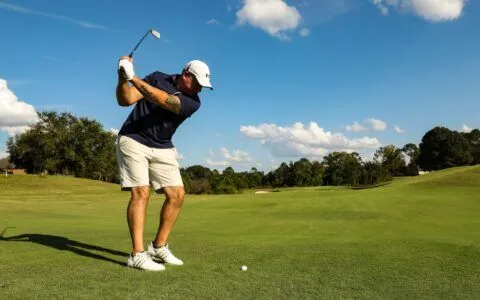
Golf is often considered a low-impact sport, but the repetitive rotational forces generated during a golf swing place significant stress on the elbows, wrists, shoulders, knees, and lower back. Over hundreds of swings and many rounds throughout a season, these tissues accumulate microscopic damage that can eventually become painful injuries.
When tendons, ligaments, cartilage, or joints begin to break down, they often struggle to heal on their own because of their limited blood supply.
Common Golf Injuries Treated with PRP
Professional Golfers and PRP
Professional golfers including Tiger Woods, Bubba Watson, Retief Goosen, and Fred Couples have publicly reported receiving PRP during their careers.
Important Note
These examples are not endorsements. Professional athletes often explore every available evidence-based treatment option. Individual results vary, and treatment decisions should always be based on your specific diagnosis and goals.
Returning to Golf
Clinical Insight
Recovery timelines depend on the specific injury, overall health, and rehabilitation program. Earlier treatment often provides more options and may improve outcomes.
"Our goal isn't simply to reduce pain—it's to help patients return to the activities they enjoy with healthier, more resilient tissues."
— Dr. Joseph Albano
When to Consider an Evaluation
If elbow pain, shoulder discomfort, knee pain, wrist problems, or lower back symptoms are limiting your ability to play golf, a comprehensive evaluation can help determine whether regenerative medicine may be an appropriate part of your treatment plan.