Choosing the Right Clinic Matters
Regenerative medicine has grown rapidly over the past decade, bringing exciting advances—but also significant marketing hype. While many clinics provide evidence-based care, others rely on misleading claims and one-size-fits-all treatment packages. Asking the right questions before beginning treatment can help you make a more informed decision.
Question 1: Where Do the Cells Come From?
Autologous cells are harvested directly from your own blood, bone marrow, or adipose tissue and are living at the time of treatment. These cells have the ability to actively participate in your body's natural healing processes.
Products derived from amniotic tissue, placental tissue, or umbilical cord are often marketed as containing 'live stem cells.' However, after infectious disease testing, processing, preservation, storage, and shipping, cellular viability is generally no longer present. These products may still contain growth factors and signaling molecules, but they should not be confused with living stem cells.
Red Flag
Be cautious of clinics advertising 'living stem cells' from commercially stored or banked tissue products without clearly explaining the science behind those claims.
Question 2: Is Imaging Guidance Used?
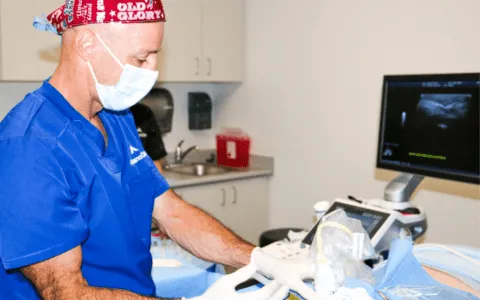
Orthobiologic injections are only effective if the biological material reaches the damaged tissue. Without real-time imaging guidance, even experienced physicians can miss the intended target, particularly in complex joints.
Ask This Question
Does the physician use real-time ultrasound or fluoroscopic guidance for every regenerative injection?
Question 3: Is the Treatment Personalized?
Regenerative medicine should never follow a standard menu. The ideal treatment depends on your diagnosis, imaging findings, severity of injury, laboratory values, hormone status, nutrition, overall health, and personal goals.
Clinical Insight
A treatment recommendation made without carefully reviewing imaging, discussing your medical history, and explaining why a specific protocol was selected is not truly personalized care.
Question 4: Is the Physician Honest About Limitations?
A trustworthy physician will explain when regenerative medicine is appropriate—and when it isn't. Some injuries require surgery, while others may have progressed beyond the point where predictable regenerative outcomes are likely.
Important Note
If every consultation ends with the same treatment recommendation regardless of diagnosis or imaging, that should prompt additional questions.
"The best regenerative medicine isn't about selling procedures—it's about recommending the right treatment for the right patient at the right time."
— Dr. Joseph Albano
What to Look For
- Evidence-based treatment recommendations
- Transparent discussion of benefits and limitations
- Real-time ultrasound or fluoroscopic guidance
- Personalized treatment plans
- Comprehensive review of imaging and laboratory results
- Clear explanations without exaggerated marketing claims
Making an Informed Decision
Choosing a regenerative medicine clinic is an important healthcare decision. Asking thoughtful questions about cell sourcing, imaging guidance, individualized treatment planning, and physician transparency can help you identify providers who prioritize evidence-based medicine and patient-centered care.