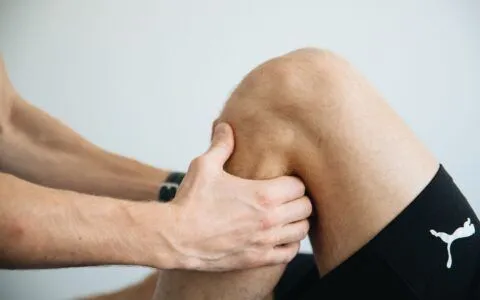
A Non-Surgical Approach to Knee Pain
The knee is one of the body's largest and most heavily used joints, making it one of the most common sources of orthopedic pain. Orthobiologic treatments aim to support the body's natural healing response and may provide an alternative to surgery for appropriately selected patients.
Knee Osteoarthritis
Osteoarthritis is the most common reason patients seek orthobiologic treatment. As cartilage gradually wears away, inflammation, stiffness, and pain increase. PRP and bone marrow concentrate have demonstrated encouraging results for patients with mild to moderate osteoarthritis.
Patients with advanced, bone-on-bone arthritis may still experience symptom relief, although treatment outcomes are generally less predictable than in earlier stages of disease.
Clinical Note
Repeated corticosteroid injections may temporarily reduce pain but have been associated with progressive cartilage degeneration in degenerative joint disease.
Meniscus Tears
The meniscus acts as the knee's natural shock absorber. Traditional surgery often removes damaged tissue, while orthobiologic treatment focuses on preserving as much of the meniscus as possible by supporting the body's healing response.
Clinical Insight
Whenever possible, preserving healthy meniscal tissue helps maintain normal knee mechanics and may reduce future joint degeneration.
Patellofemoral Pain Syndrome
Cartilage irritation beneath the kneecap—commonly called runner's knee or jumper's knee—may respond well to PRP, particularly when treatment begins before advanced cartilage damage develops.
ACL and MCL Injuries
Patellar and Quadriceps Tendinopathy
Chronic tendon injuries that have not improved with rest, rehabilitation, or conservative treatment may benefit from PRP. Growth factors released by platelets help stimulate collagen remodeling and tissue repair.
What Treatment Involves
Expected Recovery
Most patients begin noticing meaningful improvement within four to eight weeks, with continued progress occurring over the following four to six months as tissues remodel and strengthen.
"The goal isn't simply reducing knee pain—it's helping the joint heal while preserving as much healthy tissue as possible."
— Dr. Joseph Albano
Is Orthobiologic Treatment Right for You?
Whether you're dealing with arthritis, a ligament injury, chronic tendon pain, or a meniscus tear, an individualized evaluation can help determine whether orthobiologic treatment may be an appropriate non-surgical option for your condition.