Knee Pain Is a Symptom—Not a Diagnosis
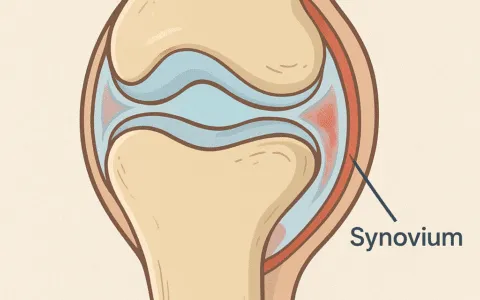
Knee pain is one of the most common reasons patients seek orthopedic care, but the source of that pain is not always obvious. One of the most important—and often overlooked—structures involved is the synovium, a thin tissue lining inside the knee joint that plays a central role in inflammation.
What the Synovium Does
The synovium lines the inside of the knee joint and produces synovial fluid, the natural lubricant that allows cartilage surfaces to glide smoothly during movement. In a healthy joint, the synovium quietly supports normal function without causing symptoms.
Clinical Insight
When the joint environment changes because of injury, arthritis, or chronic stress, the synovium often becomes one of the primary drivers of pain rather than simply responding to it.
How Synovial Inflammation Causes Pain
Joint injury, age-related degeneration, or osteoarthritis activates the body's immune response. Immune cells release inflammatory cytokines such as IL-1β, TNF-α, and IL-6 that signal the joint to respond to damage.
The synovium becomes thickened and inflamed, producing even more inflammatory mediators while recruiting additional immune cells into the joint. As swelling increases, the inflamed synovial tissue presses against sensitive nerve endings, producing pain, stiffness, and swelling.
Important Note
Chronic knee pain is often driven by an ongoing biological inflammatory process—not simply by mechanical wear and tear.
Why the Pain Keeps Coming Back
Once established, inflammation within the synovium can become self-sustaining. The inflammatory environment attracts additional immune cells, which release more cytokines, perpetuating the cycle even when the original injury has healed.
Over time this chronic inflammatory loop contributes to progressive cartilage breakdown, worsening osteoarthritis, and persistent pain.
Clinical Perspective
Cortisone injections temporarily suppress inflammation, but they generally do not change the underlying inflammatory environment within the joint. This helps explain why their effectiveness often decreases over time.
Dextrose Lavage: Resetting the Joint Environment
Dextrose lavage is a minimally invasive procedure performed under ultrasound guidance in which the joint is flushed with a dextrose solution. The goal is to remove accumulated inflammatory cytokines and other substances that contribute to ongoing synovial irritation.
Looking Beyond the Knee
Chronic synovial inflammation rarely exists in isolation. Factors such as body weight, hormonal health, nutrition, physical activity, and systemic inflammation all influence how the joint heals and functions.
Clinical Insight
Treating only the painful knee without addressing broader health factors often produces incomplete results. A comprehensive treatment plan considers both the joint and the patient as a whole.
Treatment Options
"Many patients focus on the cartilage, but sometimes it's the inflamed synovium that's quietly driving the pain."
— Dr. Joseph Albano
When to Consider an Evaluation
If knee pain continues to return despite previous treatments, persistent synovial inflammation may be an overlooked contributor. A comprehensive evaluation can help determine the biological drivers of your symptoms and identify the most appropriate treatment strategy.